What Is Acne?
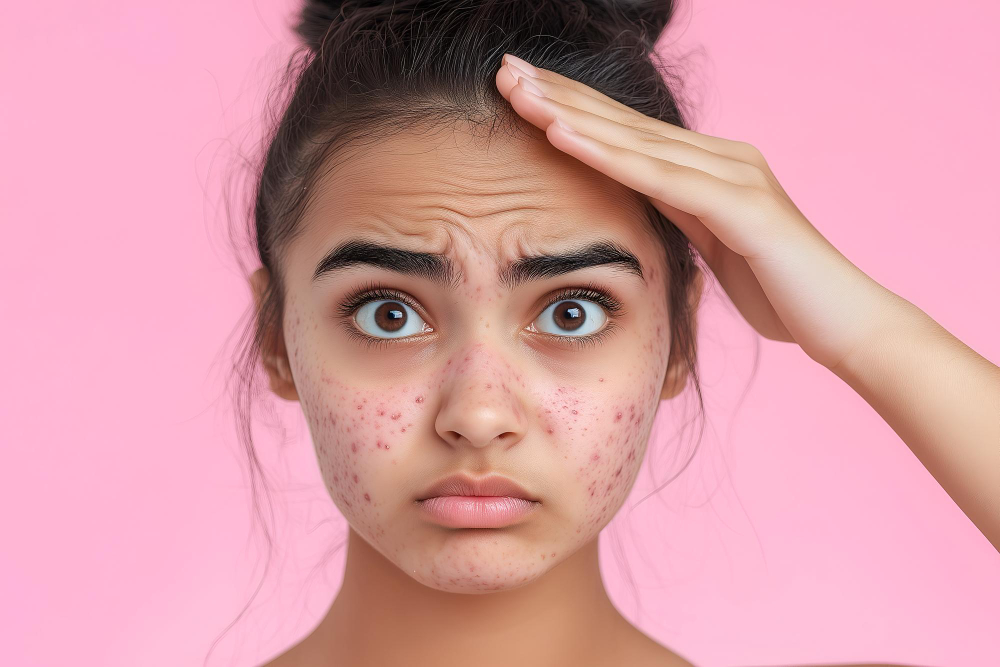
Acne is a common skin problem. It causes pimples, blackheads, and whiteheads. Many people, especially teens, get acne. However, adults can have it too. Acne often appears on the face, back, and chest. For some, it goes away quickly. But for others, those breakouts keep coming back. Understanding acne helps you manage it better.
Common Symptoms of Acne
Acne shows up in different ways. You may notice:
Sometimes, acne can be itchy or sore. In some cases, it can lower self-confidence. But with the right care, you can reduce these symptoms.
Why Acne Keeps Coming Back
Many people wonder why those breakouts keep coming back. Even after treatment, acne can return. This happens for several reasons. First, your skin may still produce too much oil. Second, dead skin cells can block pores again. Also, hormones can change, causing new pimples. Sometimes, using the wrong products can make acne worse. Because of these factors, acne often comes back.
Main Causes and Triggers
Acne has many causes and triggers. Some of the most common include:
For some, genetics play a role. If your parents had acne, you might get it too. But, you can still take steps to control it.
Diagnosis and When to See a Dermatologist
Most people can spot acne by its look. However, if your acne is severe or not improving, it is wise to see a dermatologist. They can check your skin and suggest the best treatment. You should see a doctor if:
Early treatment can prevent scars and boost your confidence.
Effective Treatment Options
There are many ways to treat acne. Some common options include:
For best results, follow your doctor’s advice. Do not pick or squeeze pimples, as this can cause scars. Also, be patient. Treatments may take several weeks to work.
Daily Habits and Lifestyle Tips
Good daily habits can help prevent acne. For example:
In hot or humid places, wash your face after sweating. These steps can make a big difference.
Prevention Strategies
While you may not stop acne completely, you can lower your risk. Try these prevention tips:
Because everyone’s skin is different, you may need to try a few methods to see what works best for you.
Frequently Asked Questions (FAQ)
Conclusion
In summary, acne is a common skin issue that often comes back. Many factors, like hormones and daily habits, play a role. However, with the right care and treatment, you can manage breakouts. If your acne is not improving, consult a dermatologist at Krishna Lifecure Hospital for personalized acne treatment and prevention advice.