
Introduction
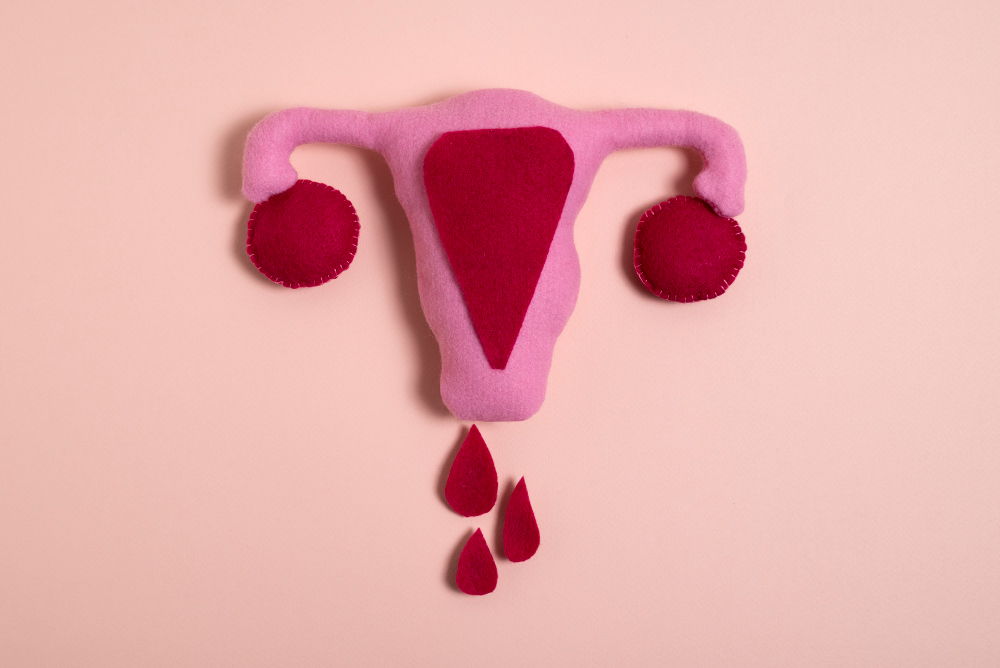
Heavy bleeding can be a sign that your body needs attention. Many women experience heavy menstrual bleeding, but sometimes it is more than just a nuisance. If you notice your periods are heavier than usual, your body could be asking for help. Understanding the signs of menorrhagia and knowing when to see a gynecologist for heavy periods is important for your health.
What Is Heavy Bleeding?
Heavy menstrual bleeding, also called menorrhagia, means losing more blood than normal during your period. For some, it can make daily life hard. But how do you know if your bleeding is too much? Here are some common signs:
Sometimes, heavy bleeding can also cause anemia, which means your body does not have enough healthy red blood cells.
Possible Causes of Heavy Bleeding
There are many reasons for heavy menstrual bleeding. Some are common and not dangerous, but others may need quick care. For example, these are some possible causes:
However, if you notice sudden or very heavy bleeding, it could be a sign of a serious problem. In these cases, you should seek medical help right away.
How Is Heavy Bleeding Diagnosed?
Doctors use several steps to find out why you have heavy bleeding. First, they will ask about your medical history and your periods. Next, they may do a physical exam. Often, they will order tests to learn more. These may include:
With these steps, your doctor can find the cause and suggest the best treatment.
Treatment Options
Treatment for heavy menstrual bleeding depends on the cause. For many, simple changes or medicines can help. Here are some common options:
Sometimes, your doctor may suggest other treatments based on your needs and health goals.
When to See a Doctor
It is important to know when to get help. You should see a gynecologist for heavy periods if you:
If you have any of these signs, do not wait. Early care can help prevent serious problems.
Prevention and Self-Care
While you cannot always prevent heavy bleeding, you can take steps to care for your health. For example:
With good self-care and regular check-ups, you can protect your reproductive health.
If you experience heavy bleeding, consult a gynecologist at Krishna Lifecure Hospital for personalized advice. Your health matters, and help is available.