What is High Blood Pressure?
High blood pressure, also called hypertension, means the force of blood against your artery walls is too high. Managing high blood pressure is important because it can harm your heart and other organs. Often, people do not notice any signs. However, it can still cause damage over time. According to the World Health Organization (WHO), high blood pressure affects millions worldwide. Early care can help prevent serious health problems.
Common Symptoms and Risks
Usually, high blood pressure does not cause clear symptoms. Still, some people may notice:
Even without symptoms, high blood pressure can increase your risk of:
Because of these risks, it is important to check your blood pressure regularly.
Causes of High Blood Pressure
Many factors can lead to high blood pressure. For example, your family history may play a role. In addition, lifestyle choices can increase your risk. Common causes include:
Sometimes, high blood pressure has no clear cause. This is called primary hypertension.
Diagnosis and Monitoring
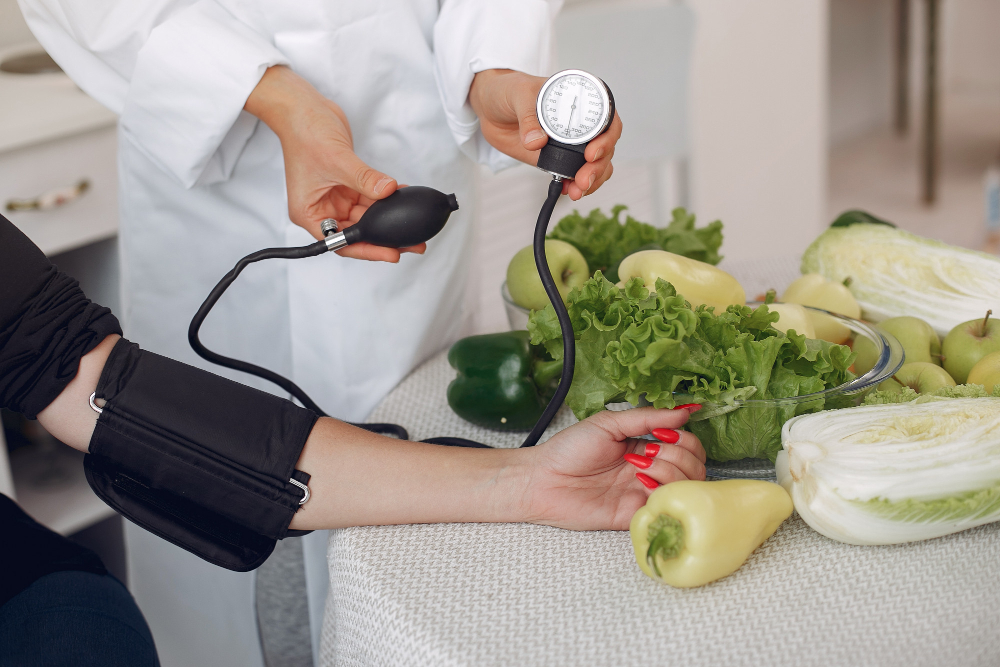
Doctors use a simple test to check your blood pressure. They use a cuff around your arm. If your reading is often above 130/80 mmHg, you may have high blood pressure. For accurate results, your doctor may check your blood pressure on different days. Some people use home monitors to track their levels. Regular checks help you and your doctor see if your treatment is working.
Lifestyle Changes for Managing High Blood Pressure
Making healthy changes can lower your blood pressure. In fact, many people see big improvements with these steps:
For example, the DASH diet is a popular plan that helps many people. It focuses on healthy foods and less salt. If you live in a hot area, remember to drink enough water, especially when exercising.
Medical Treatments and Medications
Sometimes, lifestyle changes are not enough. In these cases, doctors may suggest medicines. There are several blood pressure treatment options, such as:
Your doctor will choose the best medicine for you. They may adjust your dose over time. Always take your medicine as directed. Do not stop without talking to your doctor.
Prevention Tips
Preventing high blood pressure is possible for many people. You can try these tips:
In some regions, local foods may be high in salt. Try to choose fresh foods when possible. For example, in coastal areas, watch out for salty fish or pickled foods.
When to See a Doctor
If you have high blood pressure, regular doctor visits are important. However, you should see a doctor right away if you notice:
These could be signs of a serious problem. Early care can prevent complications. Even if you feel fine, regular check-ups help keep your blood pressure under control.
In summary, managing high blood pressure involves healthy habits and, sometimes, medicines. For the best results, work closely with your healthcare team. Consult at Krishna Lifecure Hospital for personalized advice on managing high blood pressure.