
Introduction
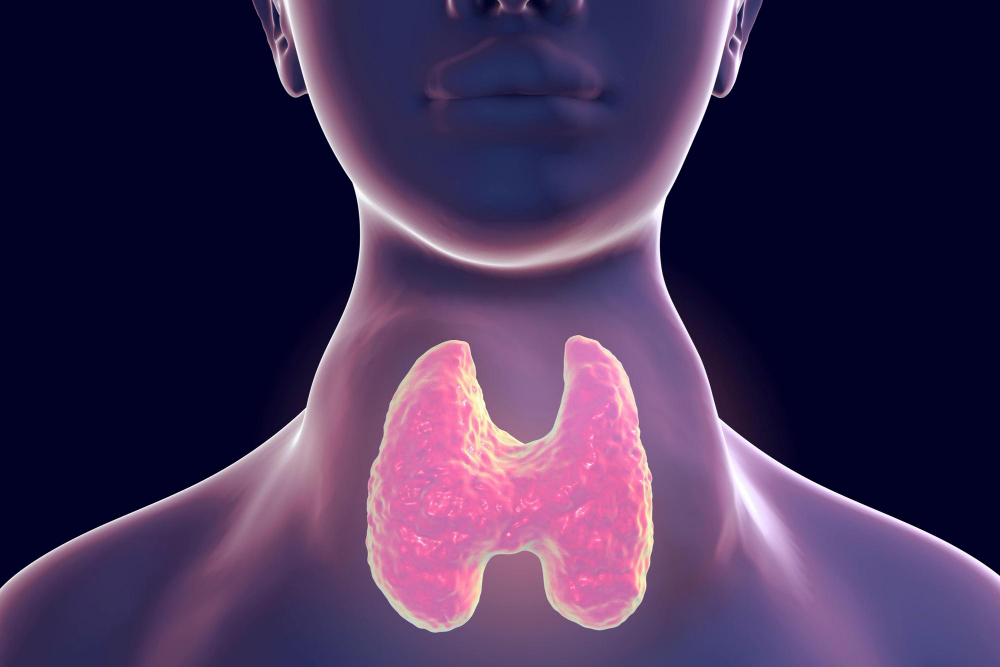
Thyroid disorders are common health problems that can affect anyone. The thyroid is a small gland in your neck. It controls how your body uses energy. Because thyroid disorders can cause many symptoms, it is important to notice early warning signs. Recognizing these signs can help you get the right treatment quickly. In this blog, we will explain what thyroid disorders are, their symptoms, and when to see a doctor.
What Are Thyroid Disorders?
The thyroid gland makes hormones that help control your body’s metabolism. Metabolism is how your body uses food for energy. When the thyroid does not work properly, it can make too much or too little hormone. This can cause health problems. Thyroid disorders are conditions that affect how the thyroid works. They can lead to changes in your weight, mood, and energy levels. Because these changes can be slow, many people do not notice them at first.
Common Types of Thyroid Disorders
There are several types of thyroid disorders. Each type affects the body in different ways. However, some are more common than others:
Because each type has unique symptoms, knowing the differences can help you spot problems early.
Signs and Symptoms You Should Not Ignore
Thyroid disorders can cause many symptoms. Some are easy to miss. However, paying attention to these signs can help you get help sooner. Here are some symptoms you should not ignore:
For example, if you notice more than one of these signs, it may be time to talk to a doctor. Early detection can make treatment easier and more effective.
When to See a Doctor
Sometimes, symptoms of thyroid disorders can be mild. However, if you notice ongoing changes in your body, do not ignore them. You should see a doctor if:
Because thyroid disorders can affect many parts of your body, getting checked early is important. Your doctor can help find the cause and suggest the best treatment.
Diagnosis and Next Steps
To diagnose thyroid disorders, doctors use simple tests. First, they may ask about your symptoms and family history. Next, they may do a physical exam to check your neck. Blood tests can measure your thyroid hormone levels. Sometimes, doctors use ultrasound or other scans to look at the thyroid gland. If needed, a small sample of tissue may be taken for testing. Once a diagnosis is made, your doctor will discuss treatment options. These may include medicine, lifestyle changes, or surgery in rare cases.
Prevention and Lifestyle Tips
While not all thyroid disorders can be prevented, healthy habits can lower your risk. Here are some tips to support thyroid health:
Because early action can make a big difference, paying attention to your health is key. If you live in areas with low iodine in the diet, talk to your doctor about supplements.
Conclusion
In summary, thyroid disorders can cause many symptoms that are easy to miss. However, knowing the warning signs can help you get help early. If you notice any of these signs, consult an endocrinologist at Krishna Lifecure Hospital for personalized advice.